















Back to catalog
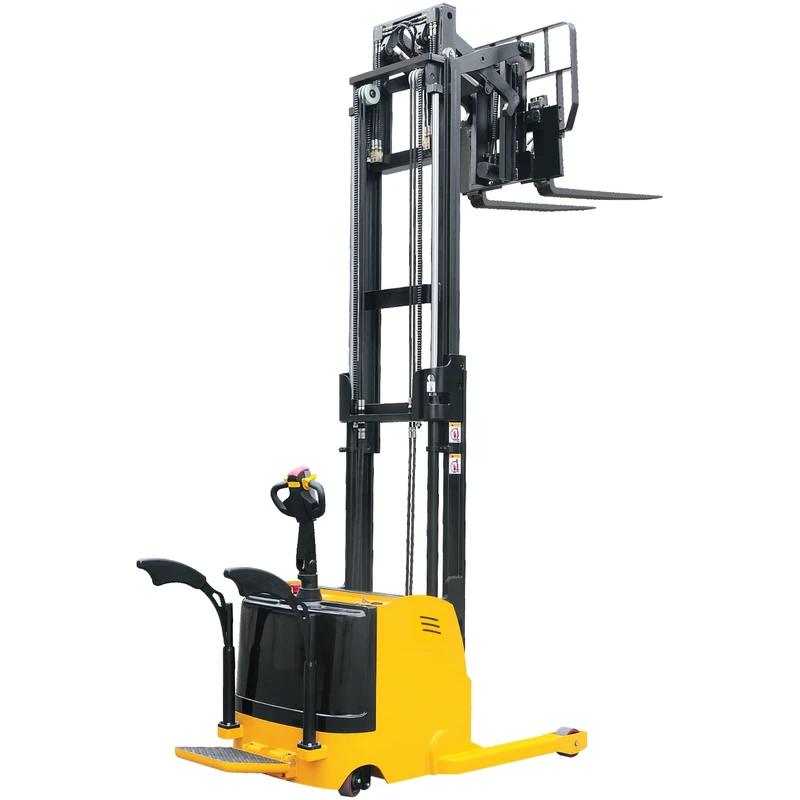
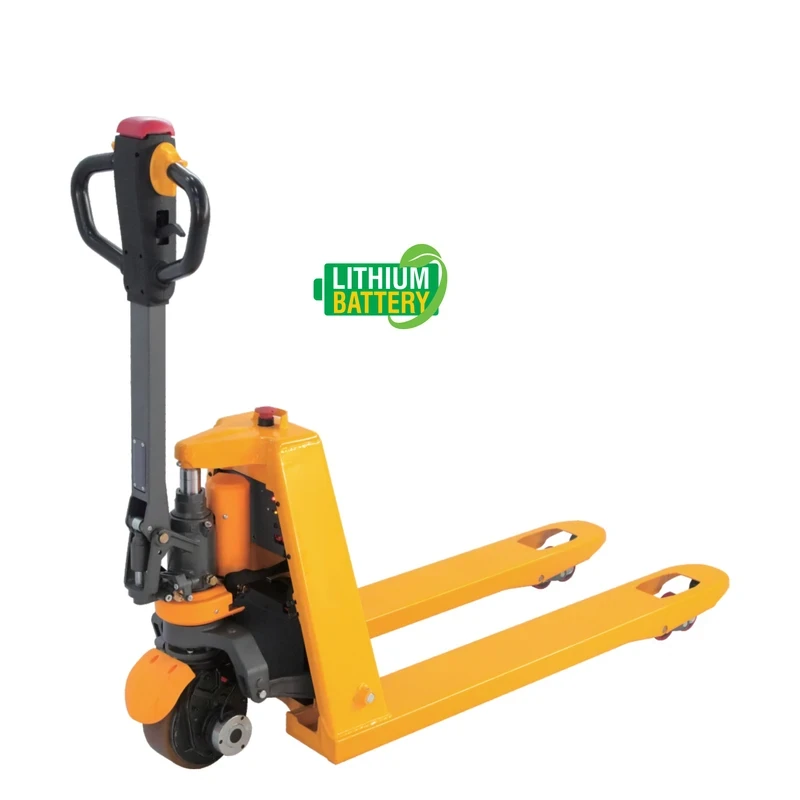
Electric Walkie Pallet Truck (CBD30KD-III) 3000 kg
Price
On request
Direct factory order
— 16–20 weeks · 40% deposit
Direct factory order
Produced to order at the manufacturer’s plant and shipped directly — the factory discount is already included in the price shown.
- Production & delivery: 16–20 weeks
- Deposit at order: 40%
- Balance: 60% before dispatch or collection
Factory-order prices are outside the automatic volume and bundle discount programme. Because production and sea freight are scheduled months ahead, we reserve the right to adjust the balance in the event of significant exchange-rate or container-freight cost changes before dispatch — we will always contact you first. B2B sales only.
Direct factory order (made to order)
Shipping quoted post-order
Shipping estimate
This product
—
Weight
—
Packaging
—
Your cart
—
Select your delivery country for an instant freight estimate.
Categories:
Electric Pallet Trucks
Need a tailored offer?
Send us your requirements through the quote form — this product will be prefilled and you can add more items in one request.
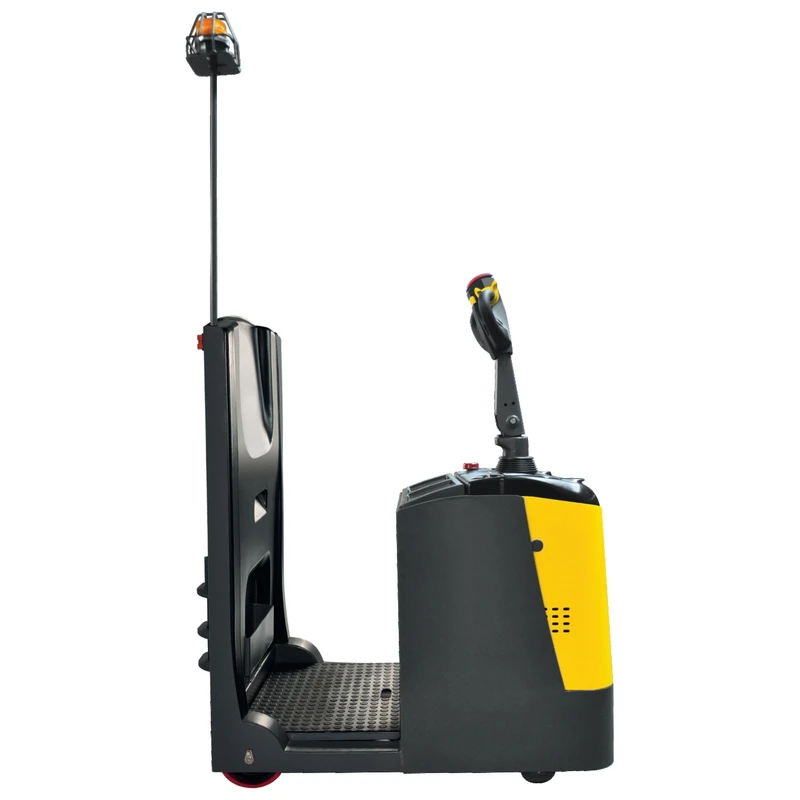
Most walkie pallet trucks stop at two tonnes. This one is rated for three, which covers the pallets that otherwise force a forklift into the loading area: filled drums, coil stock, palletised cement and drinks. It stays a pedestrian truck - no licence class, no seat, no extra length.
What carries the extra tonne
- 48 V electrical system with a 1.2 kW drive motor and a 1.2 kW lift motor, where the 2-tonne trucks in this family use 24 V and a smaller pump
- Reinforced fork section: 74 mm thick forks, 170 mm wide, 1150 mm long with a 1220 mm option
- Speeds are deliberately conservative - 4.8/5.0 km/h laden and unladen - because three tonnes should not travel at jogging pace
Still compact
- 1666-1736 mm overall length, turning radius from 1504 mm
- Works in a 2156 mm aisle with an 800 x 1200 pallet lengthways
- Service weight only 310 kg thanks to the compact 48 V / 40 Ah battery
The same platform is available as an 1800 kg and a 2000 kg truck - see the CBD18KD/CBD20KD walkie pallet truck in this category.
Price and delivery
Price on request. This truck is built to order in our supplier's factory, with a typical lead time of 16 to 20 weeks from order confirmation. Contact us for the current quotation, the dimension drawing and the full data sheet for the configuration you need.
What it is for
- Powered horizontal transport of pallets over longer distances and higher frequency than hand trucks.
- Loading/unloading trucks, cross-docking, supermarket back-of-house.
- Rider (platform/seated) versions for long routes; double-decker for two pallets.
This model
Pedestrian (walkie): short to medium distances, compact in tight aisles. Capacity options: 3000 kg.
Check before you choose
- Capacity 1 500–3 000 kg
- Walkie vs. platform/stand-on vs. seated by distance and shifts
- Battery type (Li-ion for opportunity charging), charger
- Fork length for 1 or 2 pallets
- Ramps and gradients (drive motor power)
- Aisle width
Not suitable for
- Lifting onto racking (lift ~120–200 mm) — use a stacker
- Outdoor rough terrain
Before you order Technical check — we confirm a few parameters and compatibility with you before the order.
To confirm the right configuration we will ask you:
- Heaviest load including pallet, packaging and any attachment? Rule of thumb: use at most 80 % of rated capacity for safety and service life.
- Pallet sizes; one or two pallets per trip; fork length?
- Distance per trip and pallets per hour? Decides pedestrian vs. platform vs. seated.
- Are there gradients (ramps, slopes) in the working area? How steep (%) and how long (m)? Pedestrian and stand-on trucks are designed for level floors; motor, brakes and drive-wheel traction are sized for occasional short ramps. On a long or steep slope they overheat, lose traction or cannot hold the load.
- What is the floor: industrial concrete, asphalt, paving, gravel, uneven, potholes, sharp edges, expansion joints, thresholds, drains? Small polyurethane wheels and no suspension: tolerance for unevenness is very low. Sharp edges cut the PU tread; gaps stop the small load rollers.
- How long must the truck run continuously, how many hours per day and shifts? Pallets per hour, distance per trip? Battery capacity and truck class follow from this. Most buyers under-specify on price and end up with a truck that stops mid-shift.
Typical mistakes to avoid
- A small walkie is no substitute for a rider truck on long routes — choose the operator position by distance and intensity.
Helpful to have ready: Mass/pallet · Average and max distance · Pallets per hour · Gradients · Shifts · Charging
Attributes
| Load capacity | 3000 kg |
|---|---|
| Lift height | 120 mm |
| Lowered fork height | 78/82 mm |
| Fork dimensions | 74/170/1150 (1220) mm |
| Width overall forks | 550 mm, 685 mm |
| Turning radius | 1504-1574 mm |
| Travel speed | 4.8/5.0 km/h laden/unladen |
| Service weight | 310 kg |
| Battery | 48 V / 40 Ah |
| Motors | Drive 1.2 kW, Lift 1.2 kW |
Related products


Hand Electric Pallet Truck (EPV15HE/EPV20HE) 1500-2000 kg
From 1.495,00 EUR

Electric Walkie Pallet Jack (EPV18PM/EPV20PM/EPV20PMO) 1800-2000 kg
From 5.830,00 EUR
Electric Walkie Pallet Truck (CBD30KD-III) 3000 kg
On request